
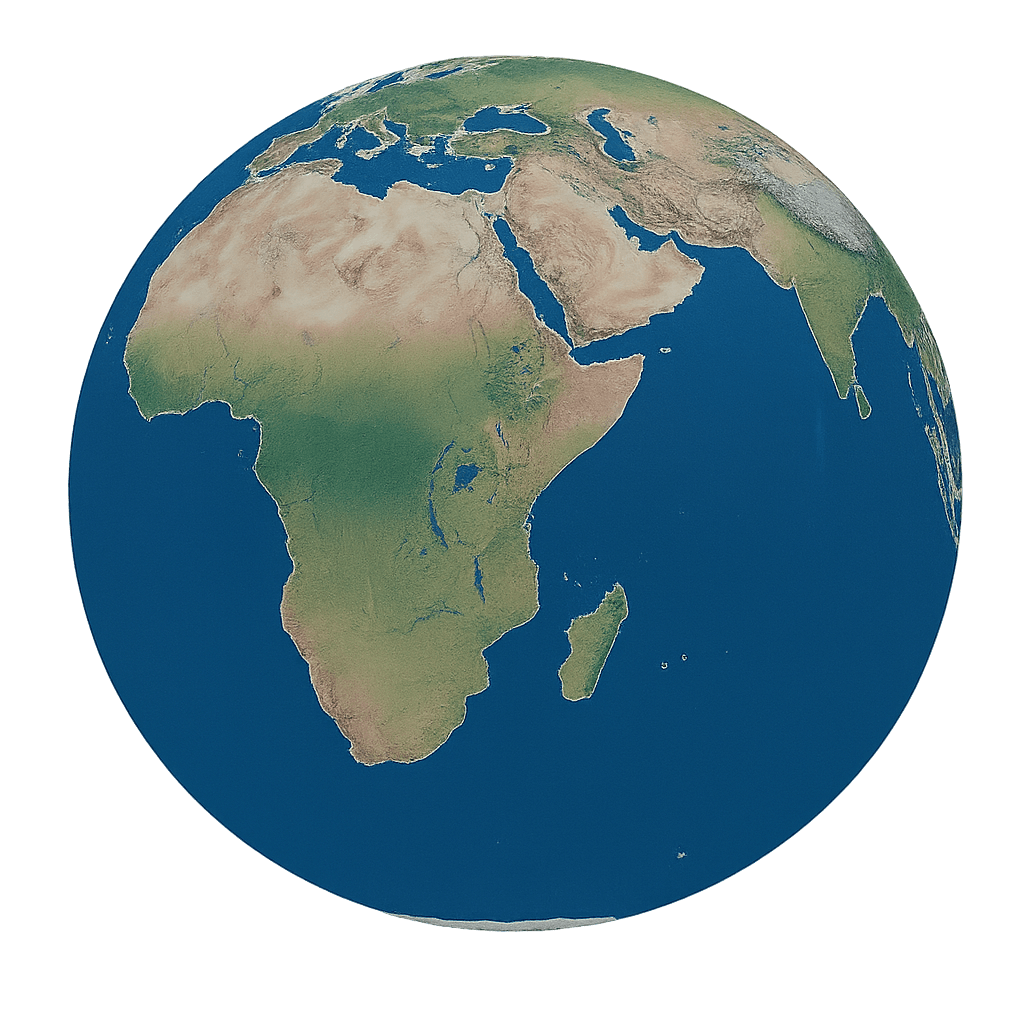
Rare Earth Push in Madagascar: The U.S. International Development Finance Corporation is backing Harena Rare Earths to advance the Ampasindava Ionic Clay Rare Earth Project in northwestern Madagascar, aiming to move pilot work toward commercial production of magnet metals like neodymium and dysprosium. Biodiversity Discovery: An international team reports seven new species of Madagascar’s elusive diamond frogs (Rhombophryne), using field work, museum specimens, and DNA to map hidden diversity and strengthen forest-protection priorities. Conservation in Practice: A long-term study highlights how protection can follow research in Madagascar’s rainforest, showing how sustained field science can translate into government-backed safeguards. Invasive Species Alert (Madagascar link): Elsewhere, authorities warn about the spread risk of Madagascar ragwort, a highly toxic invasive pasture weed, urging early reporting to stop it becoming widespread. Marine Economy Pressure: A feature looks at how disruption in the maritime economy is reshaping shipping and sea-based livelihoods—an issue that matters for island conservation and wildlife protection.
AGP Executive Report
Your go-to archive of top headlines, summarized for quick and easy reading.
Note: AI summary from news headlines; neutral sources weighted more to help reduce bias in the result. Feedback is welcome. Please let us know if you have any comments or suggestions about the AGP Executive Report.
Maritime Crime & Wildlife Trade: Kenya intercepted a small, unregistered fishing boat linked to meth trafficking, highlighting how tiny vessels without clear markings are increasingly used across East Africa for drugs, piracy, and illegal wildlife and other contraband. Indian Ocean Geopolitics: The Chagos Islands dispute is framed as a growing legal and diplomatic crisis that could strain future UK–US relations as the UK moves toward returning the islands to Mauritius. Madagascar Biodiversity Discoveries: An international team reports seven new species of Madagascar’s elusive diamond frogs, showing how much diversity still hides in leaf litter and how better mapping can strengthen forest conservation. Forest Protection in Madagascar: NIU researchers say their long-running work helped secure protected area status for the Tsinjoarivo-Ambalaomby rainforest, aiming to slow burning and land conversion. Invasive Species Watch: Reports from Canada warn that hammerhead worms—linked to warmer regions including Madagascar—can threaten soil biodiversity, urging early public detection. Health & Traditional Knowledge: WHO marks African Traditional Medicine Day with calls for more research, regulation, and investment so traditional care can better support universal health coverage.
Madagascar Rainforest Protection: NIU researchers say Madagascar’s Tsinjoarivo-Ambalaomby area has gained protected status after 26 years of field work, helping curb ongoing forest burning driven by poverty and lack of alternatives. New Biodiversity Discoveries: An international team reports seven previously unknown diamond frog species (Rhombophryne), showing how much hidden diversity still lives under Madagascar’s leaf litter—and why fast forest loss threatens it. Wildlife & Community Conservation: A Madagascar-linked study highlights how traditional land use in the Mahafaly Plateau and Mikea Forest can support dry-forest resilience through rotational grazing, seasonal harvesting, and customary rules. Invasive Species Watch: Conservation groups are urging public attention to hammerhead worms—non-native flatworms that can threaten soil biodiversity—after detections in humid, disturbed areas. Critical Minerals & Environment: A Madagascar nickel project (Ambatovy) is discussed for how extreme weather affects mining measurement and operations, underscoring the need for strong environmental management. Health Policy Angle: WHO marks African Traditional Medicine Day with calls for investment in research, regulation, and innovation to make traditional care safer and more evidence-based.
Madagascar Rainforest Protection: A Madagascar rainforest area (Tsinjoarivo-Ambalaomby) has gained government protected status after long-term research and conservation work by NIU scientists Mitchell Irwin and Karen Samonds, a win for biodiversity as forests face ongoing pressure. New Species for Madagascar’s Forest Floor: An international team reports seven previously undescribed diamond frog species (Rhombophryne), showing how much diversity is still hidden under leaf litter and why habitat protection matters. Wildlife Science in Madagascar: Lemurs and human activity patterns get fresh attention as research highlights how some species (and humans) may be active beyond strict day/night schedules, using Madagascar’s lemur science as a key reference point. Invasive Species Watch: Separate reports flag invasive hammerhead worms linked to warmer regions including Madagascar, underscoring the need for public alerts and early detection to protect soil biodiversity. Health Policy Angle for Africa: WHO marks African Traditional Medicine Day, urging governments to invest in research, regulation, and safer, evidence-based traditional care—relevant to how conservation and community health intersect.

Madagascar rainforest protection: NIU researchers Mitchell Irwin and Karen Samonds say the Malagasy government granted protected area status to Tsinjoarivo-Ambalaomby, after 26 years of field work—an important win for biodiversity as forests face ongoing clearing pressures. New frog species for science: An international team reports seven previously undescribed diamond frog species (Rhombophryne) hidden under Madagascar’s leaf litter, strengthening the case for faster, smarter conservation where forests are shrinking. Forest stewardship from the ground up: A look at traditional land use in southwestern Madagascar highlights rotational grazing, seasonal harvesting, and controlled burning that helped maintain dry-forest resilience—showing local knowledge as a conservation tool, not a relic. Wildlife research in the spotlight: Lemur-focused updates include three ring-tailed lemurs welcomed to a wildlife facility after being rejected by their original group, underscoring the ongoing pressures of habitat loss and illegal trade. Invasive species alert: Reports from abroad warn about hammerhead worms linked to warmer regions including Madagascar; the message for communities is to watch moist soil habitats and report sightings to protect local biodiversity.
Madagascar Rainforest Protection: NIU researchers Mitchell Irwin and Karen Samonds say the Malagasy government granted protected area status to Tsinjoarivo-Ambalaomby, helping safeguard rainforest after 26 years of field work. Field Research Spotlight: Paleontologist Karen Samonds continues annual trips across Madagascar, hunting fossils and studying how the island’s unique species originated. New Amphibian Discovery: An international team described seven new diamond frog species (Rhombophryne), showing how much diversity is still hidden under Madagascar’s forest floor. Biodiversity & Data Access: A push to digitise African herbaria—pressing and sharing plant records from places including Madagascar—aims to speed conservation decisions before more species are lost. Conservation Through Community Knowledge: Reporting from southwestern Madagascar highlights how rotational grazing, seasonal harvesting and carefully managed burning help maintain dry-forest resilience. Wildlife Monitoring Note: A community call to watch for invasive hammerhead worms underscores the need to track non-native threats to soil biodiversity.
Madagascar Biodiversity Breakthrough: An international team has described seven new species of Madagascar’s elusive diamond frogs (Rhombophryne), using field work, museum specimens, and DNA to reveal hidden diversity and strengthen the case for protecting shrinking forests. Wildlife & Land Stewardship: A new report highlights how traditional land use in southwestern Madagascar—rotational grazing, seasonal harvesting, and carefully managed shifting cultivation—has helped maintain dry-forest resilience and biodiversity, even as pressures threaten the balance. Conservation Gains: NIU researchers say the Malagasy government granted protected area status to Tsinjoarivo-Ambalaomby, helping safeguard rainforest habitat after decades of field research and community-linked conservation. Digital Science for Plants: African herbaria are pushing to digitise pressed plant collections across Madagascar and the western Indian Ocean islands, aiming to make biodiversity data usable for conservation decisions before more species records are lost. Invasive Species Watch: Communities are being urged to keep an eye out for invasive hammerhead worms—non-native flatworms linked to warmer regions including Madagascar—after detections in Canada raised concerns for soil biodiversity.
Climate Outlook: Zimbabwe is bracing for a hotter, drier 2026/27 summer as SARCOF-33 forecasts below-normal rainfall across key cropping months, raising alarms for crops, water and livestock—an early warning that southern Africa’s dry spells are tightening. Invasive Species Watch: Conservation staff in Cambridge are asking the public to help track invasive hammerhead worms (Bipalium adventitium), non-native flatworms linked to warmer regions including Madagascar, because their spread could disrupt soil biodiversity. Madagascar Forest Protection: NIU researchers say the Malagasy government granted protected area status to Tsinjoarivo-Ambalaomby, helping safeguard rainforest after decades of fieldwork—highlighting how long-term science can translate into real protection. Biodiversity & Research Access: A new push to digitise African herbaria—especially in Madagascar and nearby islands—aims to make plant records searchable online before more biodiversity is lost. Wildlife News: Three ring-tailed lemurs native to Madagascar have been welcomed to a wildlife facility after being rejected by their original group, underscoring ongoing pressures from habitat loss and illegal trade. Mining & Bargaining Power: A commentary argues that Rio Tinto’s Madagascar dispute should not be treated in isolation, urging African governments to negotiate with global mining firms as one coordinated front.
Madagascar Rainforest Protection: NIU scientists Mitchell Irwin and Karen Samonds say long-term research helped secure protected area status for the Tsinjoarivo-Ambalaomby rainforest, a win for biodiversity as poverty and lack of alternatives keep driving forest burning. Local Forest Stewardship: A look at how communities in southwestern Madagascar—on the Mahafaly Plateau and in the Mikea Forest—use rotational grazing, seasonal harvesting, and controlled shifting cultivation to maintain dry-forest resilience. Wildlife and Conservation Care: Three ring-tailed lemurs were welcomed to Valley Wildlife after being rejected by their original group, highlighting ongoing pressures like habitat loss and illegal trade. Biodiversity Data Access: A report urges digitising African herbaria, including Madagascar-linked collections, so plant records become searchable and usable for conservation decisions. Regional Mining Bargaining: A Pan-African Parliament figure argues Madagascar’s Rio Tinto dispute shouldn’t be treated alone, calling for stronger, continent-wide negotiation with global mining giants. Invasive Species Watch (Global): Cambridge researchers found invasive hammerhead worms and ask the public to help track spread—an example of how fast-moving threats can hit ecosystems.
Conservation Finance & Oceans: On Zanzibar’s Pemba Island, a sea cucumber ranching venture is trying to link marine restoration with commercial returns, but locals and observers are asking the hard questions: can production scale, and will profits be shared fairly? Protected Forests: In Madagascar, long-term research by NIU scientists helped secure government protection for the Tsinjoarivo-Ambalaomby rainforest area, highlighting how conservation can finally lock in gains against ongoing burning and clearing. Local Forest Stewardship: A look at how communities in southwestern Madagascar keep forests alive through rotational grazing, seasonal harvesting, and customary rules that historically supported dry-forest resilience. Wildlife & Biodiversity: Three ring-tailed lemurs were welcomed to a wildlife facility after being rejected by their original group, while new genetic work identifies a distinct Madagascar baobab species—potentially reshaping conservation priorities. Data, Labor & AI: A global spotlight argues AI depends on hidden data workers, raising questions about fairness in the systems now shaping climate and conservation tools.
Forest Protection Breakthrough: A U.S. university team says Madagascar’s government granted protected area status to the Tsinjoarivo-Ambalaomby rainforest, after decades of local research and conservation work—highlighting how protection can slow burning and farmland expansion. Community Stewardship: A look at southwestern Madagascar’s Mahafaly Plateau and Mikea Forest shows how rotational grazing, seasonal harvesting, and controlled burning—guided by taboos and customary rules—can help keep dry forests resilient. New Species, New Focus: Genetic work identifies a distinct Madagascar baobab, Adansonia bozy, which could reshape how conservation resources are targeted for threatened trees. Wildlife Care: Three ring-tailed lemurs have been moved to a wildlife facility after being rejected by their original group, underscoring ongoing pressures from habitat loss and illegal trade. Data for Biodiversity: Researchers warn that African herbaria collections still aren’t digitised enough, limiting access for science and conservation decisions across Madagascar and the western Indian Ocean. Mining Pressure on Bargaining: A commentary argues Madagascar’s Rio Tinto dispute should be treated as part of a wider pattern of how mining giants negotiate across Africa.
Protected Forest Win: NIU scientists say the Malagasy government has granted protected area status to the Tsinjoarivo-Ambalaomby rainforest, a long-awaited boost for biodiversity and wildlife survival. Conservation Science & Data Access: A new push to digitise African herbarium collections highlights how better online access can speed research and improve conservation decisions across Madagascar and the western Indian Ocean. Species Discovery in Madagascar: Genetic work has identified a distinct baobab species, Adansonia bozy, showing how “hidden” diversity can change conservation priorities. Restoration That Costs Less: A global study finds letting tropical forests regrow naturally (with limited help) can cut restoration costs dramatically while delivering major carbon and biodiversity gains, with Madagascar flagged among key “holistic hotspots.” Wildlife Care Update: Three ring-tailed lemurs native to Madagascar have been welcomed to a wildlife facility after being rejected by their original group, underscoring ongoing pressures from habitat loss and illegal trade. AI, Labor, and the Global South: Separate reporting argues AI depends on vast human data work—often hidden—raising questions about justice as technology expands.
Wildlife & Biodiversity: Three ring-tailed lemurs have been relocated to Valley Wildlife after being rejected by their original group, highlighting ongoing pressures like habitat loss and illegal trade that threaten Madagascar’s iconic primates. Conservation Science: Researchers report a distinct Madagascar baobab species (Adansonia bozy) based on genetic work, a reminder that “look-alike” plants can hide different conservation needs. Restoration & Climate: A new global study finds that letting tropical forests regrow naturally—where conditions fit—can cut restoration costs and deliver major carbon and biodiversity gains; Madagascar is flagged among “holistic hotspots” where both benefits align. Biodiversity Data Access: A push to digitise African herbarium collections (including Madagascar and nearby islands) aims to make plant records searchable and usable for conservation decisions before more species are lost. Research & Education: A Fulbright-National Geographic grantee will study primate microbiomes in Uganda, with plans for community engagement and environmental education—useful for building conservation capacity across the region.
Biodiversity & Conservation: A new study highlights how biodiversity hotspots are emerging in unexpected places, while African herbaria are pushing to digitise pressed plant collections so Madagascar and the western Indian Ocean can make faster, better conservation decisions. Wildlife Science: Researchers have identified a hidden baobab species in Madagascar using genetic analysis, which could reshape how threatened tree populations are protected. Forest Recovery for Climate: A Nature Ecology & Evolution analysis finds that letting tropical forests regrow naturally (with limited help) can cut restoration costs and deliver major carbon and biodiversity gains; Madagascar is flagged among “holistic hotspots” where both benefits align. Invasive Species Watch: A report warns about invasive hammerhead worms, noting they can threaten soil biodiversity—an alert that matters for Madagascar’s endemic ecosystems. Health & Resilience: WHO says Uganda and four other African countries have stopped polio type 2 transmission after assessments, but continued vaccination and surveillance are still needed. Policy & Extractives: An opinion piece argues Africa must renegotiate with global mining giants as Rio Tinto’s Madagascar dispute echoes across the continent.
Natural regeneration for forests: A new global study finds that letting tropical forests regrow naturally (with limited help like seed sources and grazing control) could cut restoration costs by up to 96%, while boosting carbon storage and lowering extinction risk; Madagascar is flagged among “holistic hotspots” where both climate and biodiversity gains are strong for relatively low investment. Madagascar’s baobab reclassified: Genetic work from the University of Wisconsin-Madison identifies Adansonia bozy as a distinct Madagascar-only baobab species, which could reshape how conservation resources are targeted for threatened populations. Wildlife health in focus: A Denver Zoo veterinary team uses advanced diagnostics like CT scans for animals ranging from elephants to tigers, underscoring how modern wildlife care supports conservation. Invasive worm alert: Ontario researchers report invasive hammerhead worms (from warmer regions including Madagascar) and warn they could threaten native soil biodiversity. Poverty and climate pressure: A GDP-PPP ranking again shows Africa dominating the world’s poorest list, with conflict and climate shocks cited as key drivers. Polio progress: WHO says Uganda and four other African countries have stopped polio type 2 transmission after assessments, but urges continued vaccination and surveillance.
Wildlife Health Care: Denver Zoo’s wildlife health team is using advanced CT scans and other diagnostic imaging for animals like tigers and elephants, showing how modern veterinary care supports conservation work. Invasive Species Watch: Staff at Ontario’s Charitable Research Reserve reported about 15 invasive hammerhead worms (Bipalium adventitium), warning that these non-native flatworms could threaten native soil invertebrates. Madagascar Biodiversity Science: Genetic work has identified a distinct Malagasy baobab species, Adansonia bozy, which could reshape how threatened tree populations are prioritized for conservation. Forest Recovery for Climate & Wildlife: A new global study says letting tropical forests regrow naturally—where conditions fit—can cut restoration costs and deliver major carbon and biodiversity gains; Madagascar is flagged among “holistic hotspots” where both benefits align. Regional Conservation Context: A U.S. travel advisory highlights security risks in Mozambique’s Cabo Delgado, a reminder that wildlife tourism and conservation planning can be affected by instability.
Conservation Science: Genetic work by researchers at the University of Wisconsin-Madison has identified a distinct Madagascar baobab, Adansonia bozy, reshaping how two threatened tree populations should be classified and conserved. Restoration & Climate: A new global study finds that letting tropical forests regrow naturally can cut restoration costs dramatically (up to 96% cheaper) while boosting carbon storage and biodiversity—highlighting Madagascar as one of the “holistic hotspots” where benefits and costs align. Mining & Policy: A Pan-African Parliament lawmaker says Africa must renegotiate with global mining giants as Rio Tinto’s Madagascar dispute shows how “country-by-country” bargaining weakens the continent’s leverage. Aviation Emissions: Zimbabwe’s move to join CORSIA-linked carbon trading efforts signals growing pressure across the region to manage aviation emissions—relevant for Madagascar’s future connectivity. Public Health: WHO reports five African countries, including Uganda, have stopped polio type 2 transmission after assessments—another reminder that surveillance and vaccination must stay strong.
Madagascar Biodiversity: Scientists have identified a hidden baobab species in Madagascar, naming Adansonia bozy as distinct from previously lumped northern populations of A. za. The genetic work could reshape how threatened baobabs are monitored and where conservation funds go. Forest Recovery for Climate and Wildlife: New research argues that letting tropical forests regrow naturally—while doing targeted support like removing invasives and protecting against fire and grazing—can cut restoration costs dramatically and still deliver major carbon and biodiversity gains; Madagascar is flagged among “holistic hotspots” where benefits and lower costs overlap. Public Health Milestone: WHO says five African countries, including Uganda, have stopped poliovirus type 2 transmission after assessments found no ongoing spread—an important reminder that vaccination and surveillance must continue. Regional Governance Watch: Coverage around SADC leadership and regional priorities continues, with debate over whether summit promises translate into real delivery.
Rare Earth Push in Madagascar: The U.S. State Department says it is backing Madagascar’s Ampasindava rare earths project, with support via the International Development Finance Corporation for pilot work, lab testing and environmental programmes—aimed at reducing reliance on China-controlled critical minerals. Forest Recovery for Climate and Biodiversity: New research finds natural tropical forest regeneration can be up to 96% cheaper than planting, while delivering major carbon storage and biodiversity gains; Madagascar is flagged among “holistic hotspots” where both benefits align with lower costs. New Baobab Species Identified: Genetic analysis recognizes Adansonia bozy as a distinct Madagascar-only baobab species, potentially reshaping how conservation resources are targeted for threatened populations. Polio Milestone in Africa: WHO confirms outbreak closures for poliovirus type 2 in Burundi, Ghana, Guinea-Bissau, Congo and Uganda after assessments show transmission has stopped—though vaccination and surveillance must continue.
New Species, New Conservation Focus: Genetic work by University of Wisconsin–Madison researchers has identified Adansonia bozy as a distinct baobab species found only in Madagascar, separating it from A. za and potentially reshaping how threatened populations are protected. Cheaper Forest Recovery: A new global study finds that letting tropical forests regrow naturally—while doing targeted support like removing invasives and protecting seedlings—can cut restoration costs dramatically (up to 96%) while boosting carbon storage and biodiversity; Madagascar is flagged among “holistic hotspots” where benefits and costs align. U.S. Rare Earths Push in Madagascar: The State Department says it is backing Madagascar’s Ampasindava rare earths project to diversify critical minerals supply chains away from rivals, with support for pilot plant work and environmental programs. Polio Outbreaks Closed in Five Countries: WHO confirms poliovirus type 2 transmission has stopped in Burundi, Ghana, Guinea-Bissau, Republic of Congo, and Uganda after targeted vaccination and strengthened surveillance.
Sign up for:
The Madagascar Conservationist
The daily local news briefing you can trust. Every day. Subscribe now.
Check Your Email!
We sent a one-time activation link to: .
Confirm it's you by clicking the email link.
If the email is not in your inbox, check spam or try again.
Welcome back!
is already signed up. Check your inbox for updates.